Getting Started as a Candidate in Virginia
How to Get Started in Political Involvement
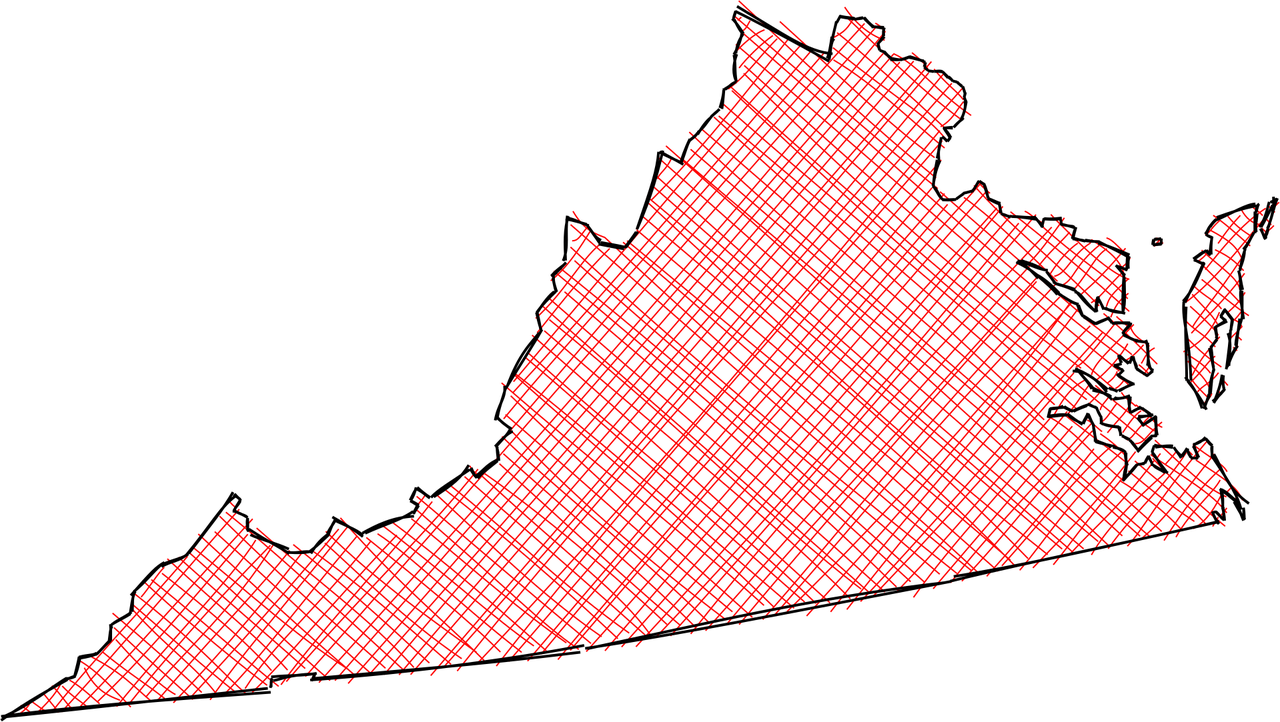
Getting Started as a Candidate in Virginia
Building Your “Universe” (How You Get to 51%)
Every campaign starts with defining the universe of voters you need to win.
- Your universe = who votes in this election, not everyone who lives there
- Two levers determine your path:
- Turnout: getting your people to actually vote
- Persuasion: convincing undecided or soft voters to choose you
- Winning is about math, not vibes. Know how many votes you need and where they come from
Voter Data in Virginia
- Virginia Democrats use NGP VAN (Voter Action Network) to manage voter data
- VAN data is accessed through or purchased via the party and is essential for:
- Targeting doors and mail
- Tracking support
- Building turnout plans
- Even in non-partisan races, party data is often the best available data
Picking a Camp (Even in Non-Partisan Races)
Local races may be non-partisan on the ballot-but they are not neutral in practice.
- You need a base of support early
- Choosing a “camp” gives you:
- Access to voter data
- Volunteers
- Endorsements
- Credibility
- For Democratic-leaning candidates:
- Build relationships with the local Democratic Committee early
- Show up before you ask for anything
- These relationships matter long before filing day
Key takeaway:
You don’t win local races alone and you don’t win them without data.
What Elected Officials Actually Do (By Level)
Federal (Congress / Senate)
- Vote on federal legislation
- Constituent services with federal agencies
- Oversight of federal programs
- National policy focus
State (General Assembly / Statewide)
- State laws and budget
- Education, transportation, public safety policy
- Oversight of state agencies
Local (City Council / School Board)
- Land use, zoning, development
- Schools (School Board)
- Local budgets and taxes
- Public safety funding
- Infrastructure and quality of life issues
Rule of thumb:
Local voters expect problem-solvers, not ideologues.
Critical Virginia Campaign Basics (Know These Early)
Filing & Petitions
- Filing deadlines typically fall spring to early summer for November elections
- Many local offices require petition signatures to qualify
- Signatures must be:
- From registered voters
- In the correct district
- Submitted by the deadline (no grace period)
Campaign Finance (Virginia-Specific)
- Virginia has no limits on contribution amounts
- All contributions and expenses must be reported to the Virginia Department of Elections
- Early fundraising matters-it signals seriousness and viability
- You will need:
- A campaign bank account
- A treasurer
- Timely and accurate reporting
Timing & Viability
Before running, you should be able to answer:
- Is there a realistic path to victory?
- Who is voting in this election?
- Is turnout favorable, or stacked against me?
- Do I have a base, or can I build one?
Right time + right seat + right environment = opportunity
How Local Campaigns Actually Communicate
At the local level, mail still matters-a lot.
- Mailers are one of the most effective ways to reach voters in low-turnout elections
- Most campaigns rely on:
- Professional mail firms
- Targeted voter lists
- Repetition, not one-off pieces
- Digital helps, but mail wins local races
First Concrete Next Steps
Before committing, do these things:
- Talk to 10-15 voters who consistently vote in local elections
- Attend local committee and civic meetings
- Meet with the local Democratic Committee leadership
- Draft a one-page “Why I’m Running”
- Learn the filing and petition deadlines for your specific office
If these steps energize you, that’s a good sign.
This post is licensed under
CC BY 4.0
by the author.